Home » Catalyst Off – Decat Solutions for High-Performance Vehicles
Catalyst Off – Decat Solutions for High-Performance Vehicles
What is a Catalyst and How Does It Function?
What is Catalyst Off (Decat, CAT Off, Cat Removal, Lambda Off, O2 Off)?
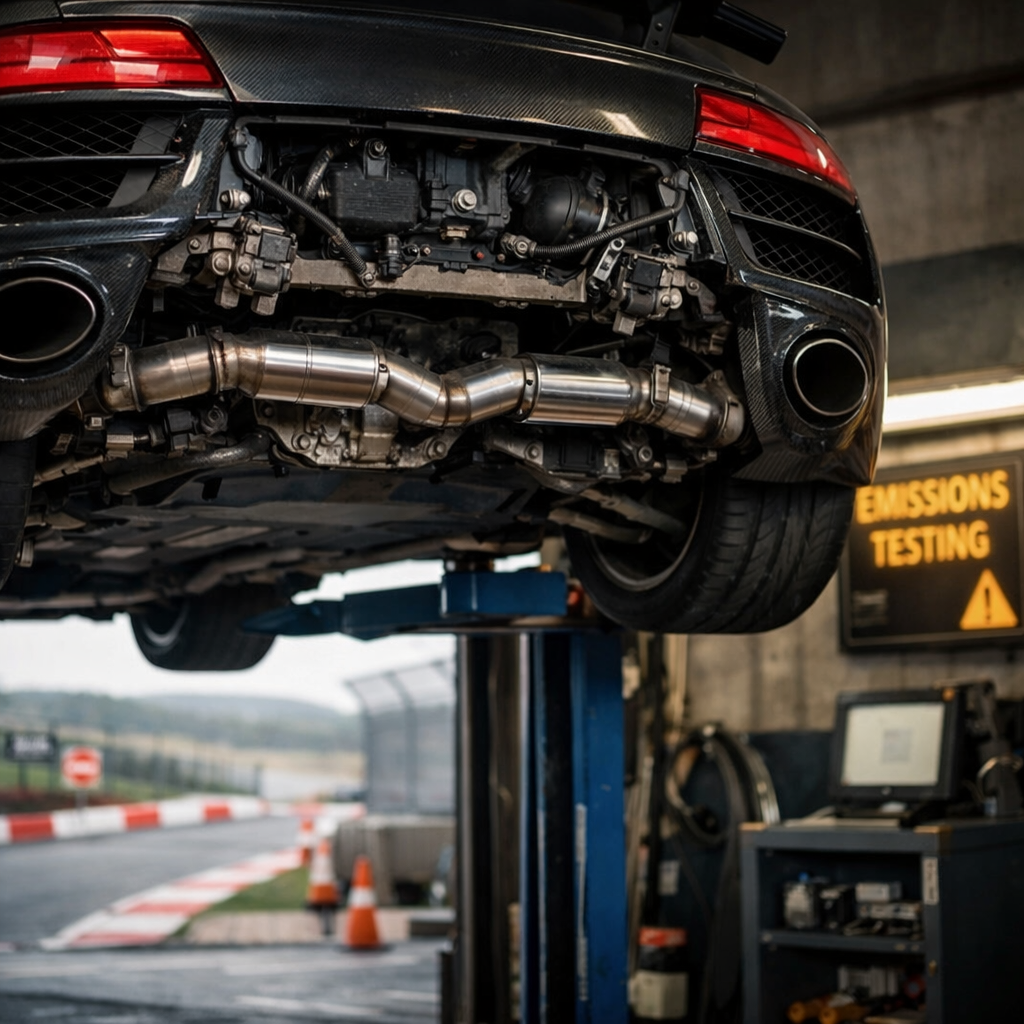
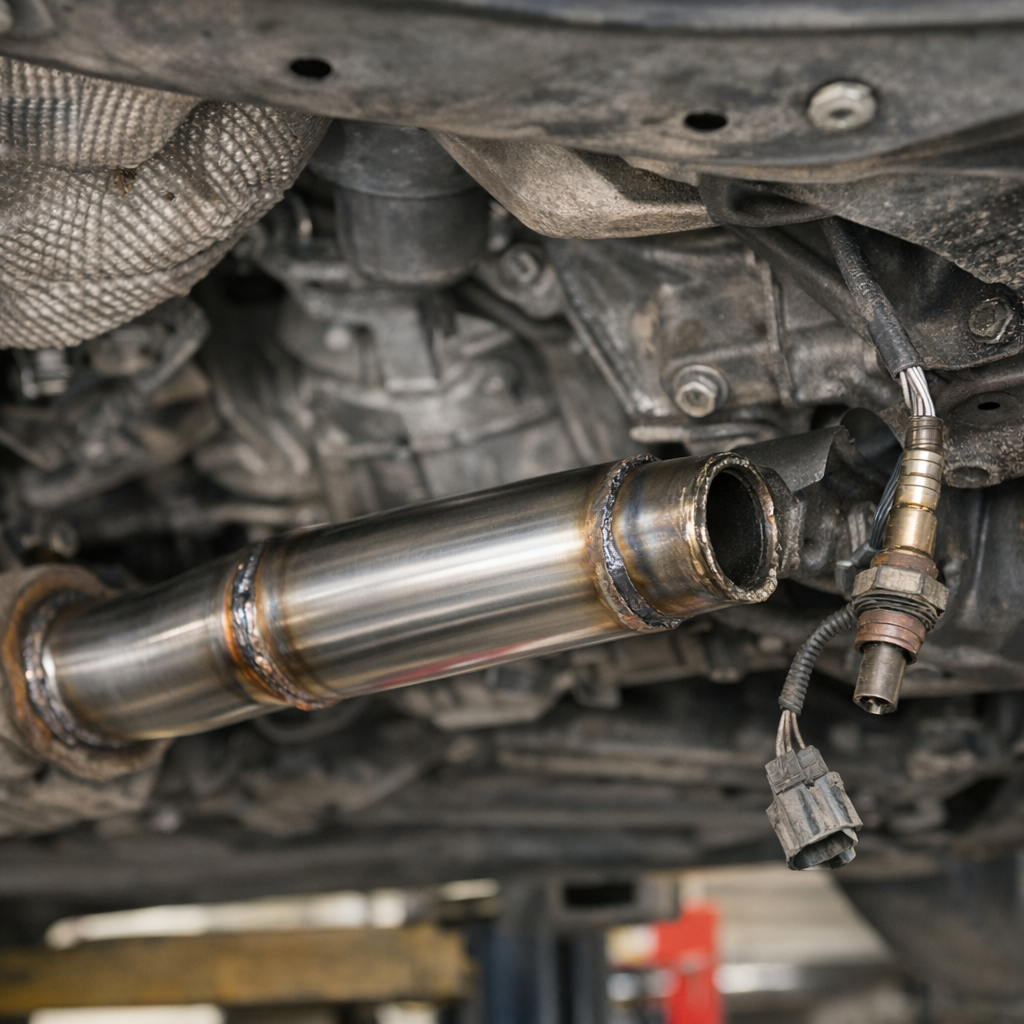
Catalyst Off (also referred to as Decat, CAT Off, Cat Removal, or 02/Lambda Off) is the process of removing the catalytic converter from your vehicle’s exhaust system. This option is often chosen by car enthusiasts and professionals looking to improve the performance of their vehicle, particularly in racing or off-road settings.
When the catalytic converter is removed, the restrictive flow of exhaust gases is significantly reduced, allowing your engine to “breathe” better. This results in increased horsepower, improved throttle response, and enhanced exhaust sound.
Additionally, Lambda Off or 02 Off refers to the removal or deactivation of oxygen sensors that monitor the catalytic converter’s operation. This adjustment ensures your vehicle’s engine management system operates correctly after the catalytic converter is removed.
Please note, we only modify the software inside the ECU, and we do not perform any physical alterations on the vehicle. The customer is responsible for removing the catalyst, and in some cases, the oxygen sensors after the catalyst may also need to be removed.
Common Diagnostic Trouble Codes (DTCs) Associated with Catalyst Issues
- P0420 - Catalyst System Efficiency Below Threshold (Bank 1) - This code indicates that the catalytic converter on the first bank of your engine isn't performing as efficiently as it should.
- P0430 - Catalyst System Efficiency Below Threshold (Bank 2) - Similar to P0420, but refers to the catalytic converter on the second bank of the engine.
- P0421 - Warm-Up Catalyst Efficiency Below Threshold (Bank 1) - This DTC typically points to an issue with the catalytic converter not reaching proper operating temperatures, affecting its efficiency.
- P0431 - Warm-Up Catalyst Efficiency Below Threshold (Bank 2) - Like P0421, this code affects the second bank and signals improper warm-up of the catalytic converter.
- P0133 - O2 Sensor Circuit Slow Response (Bank 1, Sensor 1) - This could indicate a slow response time from the oxygen sensor, which monitors the performance of the catalytic converter.
- P0134 - O2 Sensor Circuit No Activity Detected (Bank 1, Sensor 1) - This can occur if the oxygen sensor upstream of the catalytic converter is not functioning correctly, potentially affecting the catalyst's efficiency.
- P2270 - O2 Sensor Signal Stuck Lean (Bank 1, Sensor 2) - Indicates that the downstream oxygen sensor (after the catalytic converter) is reading a constant lean condition, possibly due to a failing converter.
Why Choose Catalyst Off (CAT Removal or Decat)?
- Enhanced Performance: Removing the catalytic converter allows for better exhaust gas flow, increasing your engine’s power and performance. This is particularly beneficial for high-performance or race cars that need optimal performance.
- Improved Fuel Efficiency: Without the restriction of the catalytic converter, your vehicle's engine may run more efficiently, leading to a slight improvement in fuel economy in certain situations.
- Cost-Effective Solution: Replacing a faulty catalytic converter can be costly, especially in high-end or older vehicles. CAT Off or Decat is often a more affordable solution, particularly for those who need to remove the catalyst for track or racing purposes.
- Unique Exhaust Sound: Removing the catalytic converter alters the exhaust sound, giving your vehicle a more aggressive tone, which is often desired by car enthusiasts.
- Avoid Recurrent Issues: In some cases, catalytic converters can repeatedly fail due to engine malfunctions or contamination. For those who experience chronic CAT issues, Cat Removal may be the only viable solution other than continuous, expensive repairs or replacements.
Important Considerations – Catalyst Off for Racetrack Use Only
While Catalyst Off offers significant performance benefits, it’s important to note that the removal of the catalytic converter is not street legal in most countries. Vehicle emission standards are strictly regulated, and driving without a catalytic converter on public roads may result in fines or failed inspections.
Catalyst Removal, CAT Off, Decat, or Lambda Off should only be performed on vehicles that are used exclusively for racing, off-road, or on private tracks. Alternatively, if the vehicle is recertified and legally approved for such modifications by your local government agency, you may proceed with Catalyst Removal. We advise customers to check local regulations before opting for this modification
Price Information
Our Catalyst Off, Decat, CAT Removal, or Lambda Off services start at 40 credits. You can upload your original file directly onto our platform, and we will start working on it immediately. The final price may vary depending on the make and model of your vehicle and your specific requirements.